

Daylight assessment is an essential tool for modern architects aiming to create sustainable and livable spaces. By comprehending how natural light interacts with buildings over the course of the 24-hour period and across different seasons, architects can make educated design decisions that enhance energy efficiency, occupant comfort, and overall building performance. This comprehensive guide delves into the intricacies of daylight analysis, exploring its significant impact on architectural design and offering valuable insights for professionals in the field.
As cities grow denser and environmental concerns take center stage, optimizing natural light in buildings is increasingly important than ever. Daylight analysis not only helps reduce reliance on artificial lighting but also contributes to healthier indoor environments. Throughout this article, we will explore various topics, from the basics of daylight analysis to sophisticated modeling techniques such as climate-based daylight modeling and the integration of daylight analysis in achieving accreditations like LEED and BREEAM. Whether you are an experienced architect or a newcomer to the field, this guide will provide you with the tools and knowledge needed to utilize the power of natural light in your designs.
Grasping Daylight Analysis
Daylight analysis is a vital component in current architectural design that centers on the examination and enhancement of natural light within constructed spaces. https://lawrence-nolan.thoughtlanes.net/turning-gloom-into-light-conquering-sunlight-assessment-methods involves assessing how daylight enters and engages with spaces, which can substantially affect energy use, the satisfaction of users, and overall facility efficiency. By grasping the trends of sunlight throughout the day and across seasons, architects can develop designs that efficiently capture daylight while reducing glare and heat gain.
One of the main aims of daylight analysis is to enhance energy efficiency in buildings. By strategically incorporating windows, skylights, and other apertures, architects can reduce use on artificial lighting and lessen the need for heating and cooling. This not only leads to economic benefits for building owners but also advances sustainability goals by lowering the carbon footprint of structures. The utilization of daylight analysis early in the development process allows for educated decision-making regarding building orientation, material picking, and spatial layout.
Furthermore, daylight analysis plays a crucial role in promoting occupant well-being. Access to natural light has been connected to enhanced mood, efficiency, and even health outcomes. Through daylight simulation techniques, architects can see how spaces will be brightened throughout the day, facilitating design choices that focus on biophilic elements and enhance visual comfort. By creating connections to the outdoors and ensuring sufficient light levels, architects can develop environments that are not only practical but also supportive and motivating.
Strategies and Practices for Natural Light Simulation
Natural light simulation has advanced significantly, with various tools at disposal to architects and designers. Radiance stands out as a highly effective, physically-based simulation program that enables exact daylighting analysis. Its functions include rendering realistic images and calculating daylight metrics such as daylight factor and annual sunlight exposure. Users welcome its adaptability and extensive options for adjusting lighting models, although it requires a significant learning curve for effective use.
ClimateStudio offers a more user-friendly interface while still providing strong daylight analysis features. Working with Revit, it allows architects to perform early-stage daylight simulations with greater simplicity. This tool facilitates both daylight factor calculations and climate-based daylight modeling, making it suitable for both basic and complex projects. Many architects choose ClimateStudio for its capability to illustrate daylighting outcomes quickly, aiding in design decision-making.
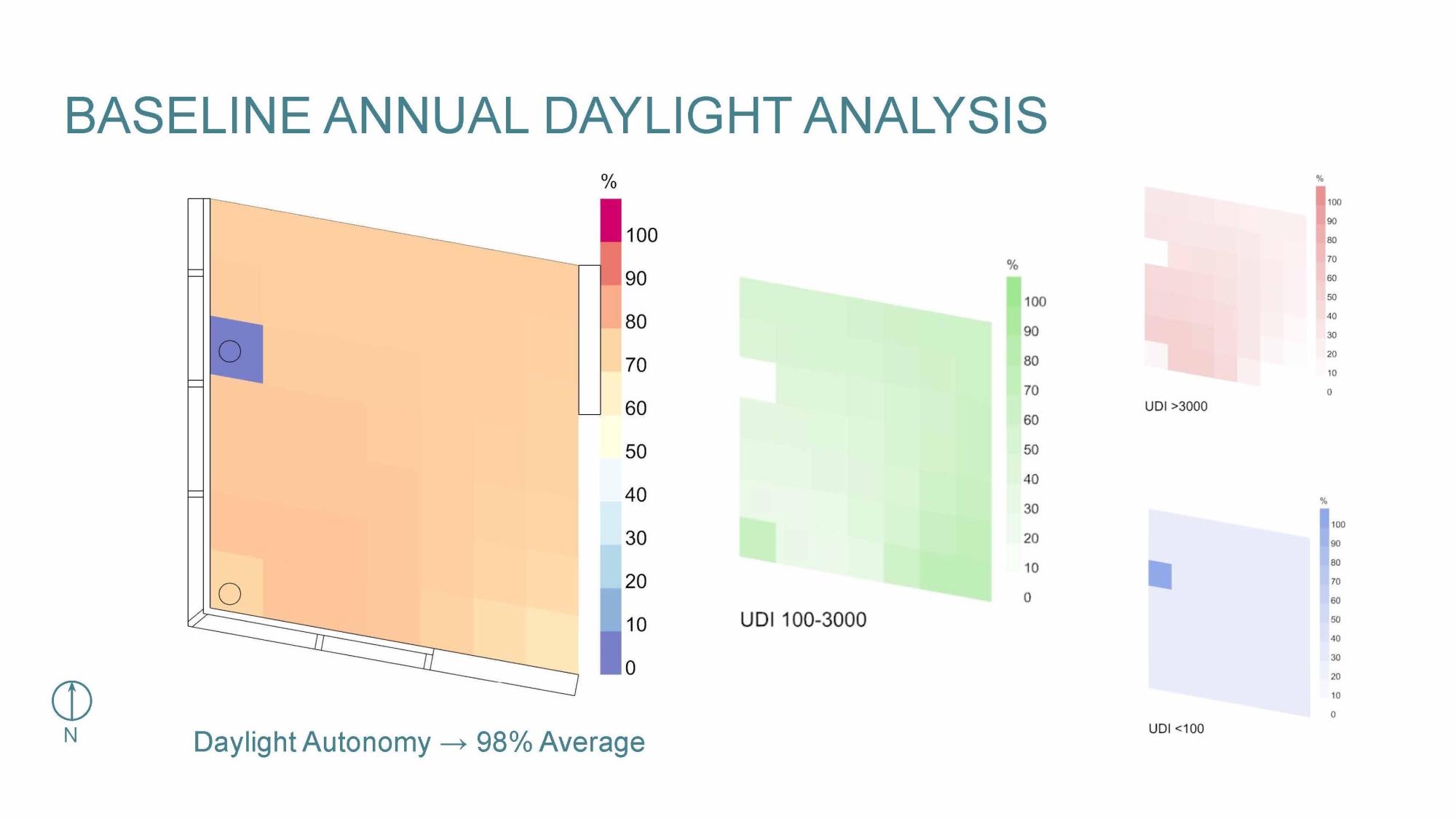
Another popular tool, furthermore focuses on energy performance insights in addition to daylight simulation. It provides a set of metrics, including spatial daylight autonomy and useful daylight illuminance. The integration of Insight with design software simplifies the analysis process, enabling architects to evaluate how design choices impact both daylight quality and energy efficiency. By utilizing these tools effectively, designers can improve their building projects, ensuring optimal daylight access while preserving occupant comfort.
Impact of Natural Light Assessment on Architectural Design
Daylight analysis plays a crucial role in shaping modern building design by informing design decisions that increase natural light while minimizing energy consumption. By integrating Daylight Analysis Street Somerset at an early stage in the design process, architects can create spaces that not only appear more inviting and vibrant but also lessen reliance on artificial lighting. This is particularly important in business buildings, where a significant portion of energy costs can be attributed to lighting. Effective daylight analysis helps identify the best window placements, skylight usage, and shading devices needed to enhance natural light penetration.
Moreover, the information gained from daylight analysis influence the overall aesthetics and functionality of a building's interior. Designers can use specific metrics such as spatial daylight autonomy and useful daylight illuminance to guarantee that workspaces receive adequate natural light, improving occupant comfort and productivity. With a deeper understanding of how light interacts with different surfaces throughout different times of the year, architects can create environments that support well-being, creativity, and collaboration among users.
Additionally, implementing daylight analysis aligns closely with sustainable design principles, contributing to certifications like LEED and BREEAM. By demonstrating effective management of natural light, buildings can achieve lower energy usage and reduced ecological footprints. This integration not just meets regulatory requirements but additionally promotes social responsibility, showing a dedication to environmentally-friendly practices in architecture. Ultimately, a comprehensive approach to daylight analysis leads to more intelligent, more health-conscious, and more sustainable building designs that support both occupants and the planet.