

Daylight evaluation has emerged as a vital aspect of today's architecture, allowing designers to harness the benefits of natural light in their designs. As urban landscapes change and the demand for green solutions grows, comprehending how to properly analyze and optimize daylight becomes crucial. This comprehensive approach not only improves the aesthetic appeal of spaces but also significantly leads to energy efficiency and inhabitant health.
In this article, we will investigate various novel techniques and tools related to daylight analysis, offering understandings that are extremely useful for contemporary architecture. From understanding Daylight Analysis Yeovil Somerset like daylight factor and spatial daylight autonomy to the role of daylight in achieving sustainability certifications like LEED and BREEAM, we will guide you through the domain of daylight analysis. No matter studying the influence of facade orientation on light quality or evaluating how daylight modeling can guide building design decisions, our discussion aims to prepare architects with the knowledge they need to create more effective and more sustainable living environments.
Comprehending Daylight Analysis
Natural light assessment is the procedure of assessing daylight in design spaces, focusing on how light plays with a building's architecture. This analysis plays a important role in enhancing energy efficiency, boosting occupant satisfaction, and refining overall visual appeal. Architects utilize multiple approaches and tools to evaluate and project daylight access, ensuring that spaces not only meet operational criteria but also promote well-being for occupants.
In contemporary architecture, daylight analysis encompasses different metrics such as daylight factor, spatial daylight autonomy, and annual sunlight exposure. These metrics help architects grasp light spread within indoor environments throughout the year, enabling better-informed choices. By incorporating natural light into their designs, architects can develop environments that boost productivity and health while reducing reliance on artificial light.
Moreover, daylight analysis is key for achieving green building certifications like LEED and BREEAM. It highlights the value of natural lighting in lowering energy consumption and carbon footprints. By employing advanced simulation tools, architects can visualize their designs under varying daylight conditions, allowing for improvements in building massing, façade orientation, and window placement to optimize light access.
Daylight Analysis Software and Techniques
Choosing the right tools for natural light analysis is essential for designers and designers looking to optimize natural lighting in their designs. Popular tools applications like Radiance, offer various capabilities tailored to specific aspects of daylight simulation. This software is recognized for its precision and high-quality visualization capabilities, making it ideal for thorough analysis, whereas ClimateStudio streamlines the incorporation of daylight metrics within the design environment environment. Insight, integrated within the Autodesk's platform, offers a user-friendly interface for rapid evaluation and visualization, allowing designers to quickly understand natural light efficacy within their models.
In addition to digital tools solutions, several methods are employed to effectively assess daylight. Climate-Based Daylight Modeling (CBDM) is one such technique that evaluates potential daylight efficacy based on climatic information throughout the year. This approach helps designers make informed architectural decisions concerning window placements, building orientation, and shading systems to improve visual comfort. Moreover, comprehending metrics like sDA and ASE is essential for assessing how different spaces will perform under natural light, thereby guiding design tweaks efficiently.
The incorporation of daylight analysis early in the architectural process is a significant method that ensures optimal results. By assessing natural light performance during the early phase, architects can make crucial adjustments to massing, glazing, and facade alignment before building begins. This forward-thinking approach not only improves the overall design but also adds to energy efficiency and user well-being. By utilizing these methods and techniques, architects can maximize the potential of natural light, creating environments that are not only functional but also promote the health and comfort of their occupants.
Impact on Structure Architecture and Eco-friendliness
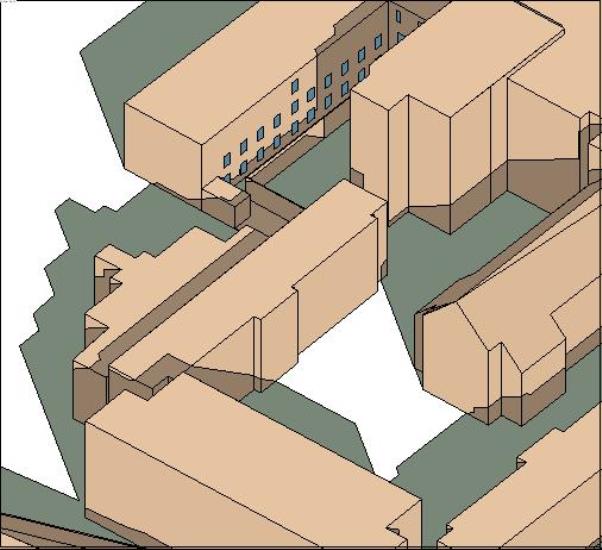
Natural light analysis plays a critical role in shaping modern architecture by influencing design decisions that boost both aesthetic appeal and functionality. By comprehending how natural light interacts with environments, architects can create spaces that not only appear beautiful but also enhance occupant comfort. This calculated approach to harnessing natural light leads to designs that emphasize visual quality, minimizing reliance on artificial lighting and thus lowering overall energy consumption.
Integrating natural light analysis into the initial phases of architecture promotes sustainable practices that comply with green building certifications such as LEED and BREEAM. These guidelines reward projects that maximize natural light while reducing energy usage. The analysis enables architects evaluate various architectural strategies including window placements, facade orientations, and shading devices, ensuring the building can sustain thermal comfort while optimizing daylight exposure. This balance greatly contributes to the decrease of carbon footprints and energy expenditures in the long term.
Moreover, with the influx of digital technologies and simulation tools, architects can implement advanced daylight modeling to predict light performance in different scenarios. Grasping metrics such as daylight factor, spatial daylight autonomy, and useful daylight illuminance aids in creating designs that encourage healthy living environments. As Daylight Analysis Nailsea Somerset , buildings not only become more sustainable but also enhance well-being through better air quality and natural light access, reinforcing the importance of including daylight analysis into the architectural design workflow.